Choosing the Best Fall Arrest Roof Anchors for Melbourne Properties

Have you ever wondered what keeps workers safe when they're up on your roof? Are you concerned about meeting safety regulations for your Melbourne property? Perhaps you're asking yourself whether those anchor points you've seen on commercial buildings are something you need too?
If you own or manage a property in Melbourne, understanding fall arrest roof anchors isn't just about ticking boxes; it's about protecting lives. Every year, falls from heights remain one of the leading causes of workplace fatalities in Australia. The good news? The right roof anchor system can make all the difference between a close call and a tragedy.
In this guide, we'll walk you through everything you need to know about fall arrest roof anchors in Melbourne. From understanding the different types available to navigating Australian safety standards, we've got you covered. You'll learn how to choose the right system for your building, what to expect cost-wise, and how to find a reputable installer. Let's get into it.
What Are Fall Arrest Roof Anchors, and How Do They Work?
Understanding the Basics of Roof Anchor Systems
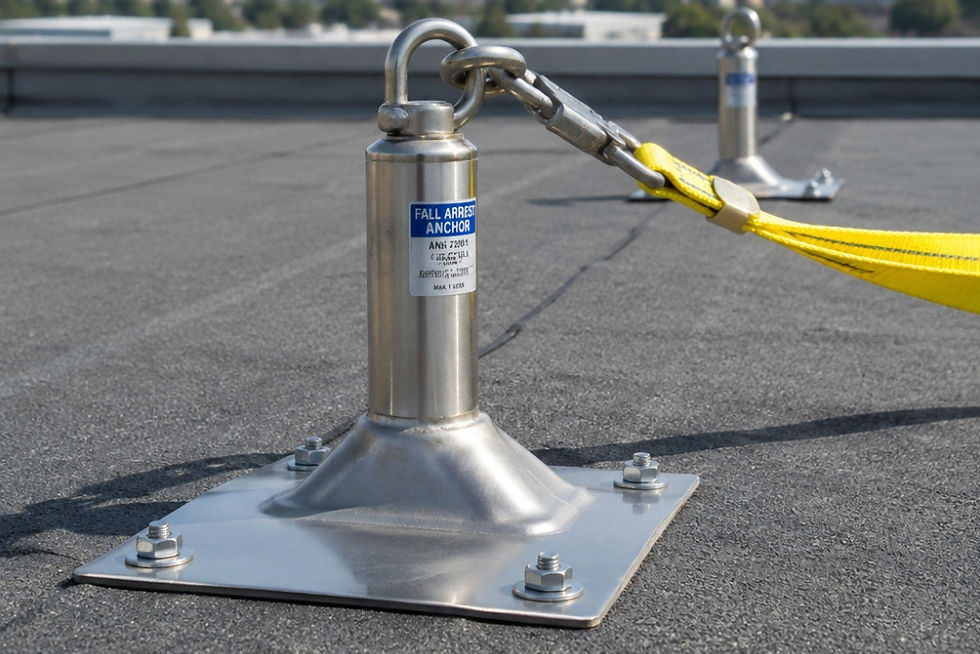
Fall arrest roof anchors are fixed points on your roof that workers can attach their safety harnesses to. Think of them as secure connection points that catch someone if they slip or lose their footing. These anchors are engineered to withstand significant force, typically rated to hold at least 15 kilonewtons, which is roughly equivalent to catching a 100 kg person falling from a height.
The system works in conjunction with other personal protective equipment. A worker clips their harness lanyard to the anchor point, creating a lifeline. If they fall, the system arrests their descent, preventing them from hitting the ground or lower surfaces. It's straightforward in concept but absolutely critical in execution.
The Difference Between Fall Arrest and Fall Restraint Systems
Here's where many people get confused. Fall arrest systems catch you after a fall begins, stopping you before you hit the ground. Fall restraint systems, on the other hand, prevent you from reaching the edge in the first place. They're both valuable, but they serve different purposes.
Fall restraint is like a leash that stops you getting too close to danger. Fall arrest is your safety net when things go wrong. Many Melbourne properties benefit from a combination of both, depending on the roof layout and access requirements. Your installer can help determine which approach suits your situation best.
Do I Need Fall Arrest Anchors on My Roof?
Australian Safety Regulations and Compliance Requirements
Under the Work Health and Safety Act, anyone conducting a business or undertaking has a duty of care to protect workers from falls. This includes contractors, maintenance workers, and anyone else who might need roof access. If people work at height on your property, you're likely required to provide safe access systems.
The regulations apply broadly across commercial, industrial, and even residential properties where work is performed. Ignorance isn't a defense here; failing to provide adequate fall protection can result in hefty fines and, more importantly, serious injuries or fatalities.
When Are Roof Anchors Legally Required in Victoria?
In Victoria, if your building requires regular roof access for maintenance, think air conditioning units, solar panels, or gutters; you'll probably need a fall protection system. New commercial buildings typically require these systems as part of their construction certification.
Existing buildings aren't exempt either. When significant renovations occur or when building uses change, you may need to install or upgrade your fall protection. It's worth getting a professional assessment to understand your specific obligations. The team at Height Safety Engineers can evaluate your property and provide clear guidance on compliance requirements.
Types of Fall Arrest Roof Anchors Available in Melbourne
Single Point Anchors
These are the most common type you'll see around Melbourne. Single point anchors provide a fixed connection point for one or two workers. They're versatile, relatively affordable, and suitable for most roof types. Installation is typically straightforward, making them popular for smaller buildings or areas with limited access requirements.
Static Line Systems
Static lines consist of a cable stretched between two or more anchor points. Workers attach to the line and can move freely along its length. This setup is brilliant for long roof sections where workers need continuous movement, like along gutters or near skylights. They offer flexibility without requiring multiple attachment points.
Rail Systems
Rail systems provide the highest level of mobility. Workers connect to an overhead rail and can move in multiple directions without detaching. They're ideal for complex roof layouts or areas requiring frequent, extensive access. While more expensive than other options, they offer unmatched convenience for high-traffic roofs.
Temporary vs Permanent Anchor Solutions
Temporary anchors are designed for short-term projects, like one-off repairs or construction work. They're removed once the job's done. Permanent anchors remain in place, providing ongoing protection for regular maintenance access. Most Melbourne properties benefit from permanent installations, especially those with rooftop equipment requiring periodic servicing.
How Do I Choose the Right Roof Anchor for My Building?
Assessing Your Roof Type and Structure
Your roof's material and construction significantly influence anchor selection. Metal roofs, tiled roofs, and concrete slabs each require different anchor types and installation methods. A professional assessment considers load-bearing capacity, roof pitch, and material compatibility to recommend appropriate solutions.
Considering User Requirements and Frequency of Access
How often will people access your roof? What tasks will they perform? A building with monthly air conditioning maintenance has different needs than one accessed yearly for gutter cleaning. Higher frequency access typically justifies more sophisticated systems that improve worker efficiency and safety.
Budget Considerations Without Compromising Safety
While budget matters, this isn't an area to cut corners. That said, you don't necessarily need the most expensive system either. A good installer will recommend solutions that meet your safety obligations without unnecessary extras. Height Safety Engineers works with clients to find cost-effective solutions that don't compromise on protection.
What Is the Australian Standard for Roof Anchors?
AS/NZS 5532 Compliance Explained
AS/NZS 5532 is the governing standard for roof anchor systems in Australia. It specifies design, installation, and maintenance requirements. Compliant systems must meet rigorous testing standards, including load testing to verify they can withstand required forces. Any system you install should carry certification confirming AS/NZS 5532 compliance.
Certification and Testing Requirements
All anchor points require certification upon installation and regular recertification thereafter. This typically involves visual inspections and load testing by qualified professionals. Documentation must be maintained and available for inspection. Non-compliant systems expose you to legal liability and, more critically, put workers at risk.
Professional Installation vs DIY: What You Need to Know
Let's be clear: installing fall arrest anchors yourself isn't advisable. These systems require specific engineering knowledge, proper tools, and understanding of load requirements. Incorrect installation can create a false sense of security while actually being dangerous.
Professional installers understand Australian standards, local building codes, and manufacturer specifications. They provide certification documentation that proves compliance, something you can't obtain through DIY installation. Plus, professional installation typically includes warranties and ongoing support. For something this critical, professional installation is absolutely worth the investment.

How Often Should Roof Anchors Be Inspected?
Maintenance Requirements and Schedules
Australian standards require annual inspections by competent persons. However, visual checks before each use are also essential. Environmental factors like coastal salt spray, industrial pollution, or extreme weather may necessitate more frequent professional inspections. Keep detailed records of all inspections and maintenance activities.
Signs Your Anchors Need Replacement
Watch for corrosion, loose fittings, damaged components, or signs of stress around mounting points. Any anchor that's been involved in arresting a fall must be immediately removed from service and professionally assessed. When in doubt, arrange an inspection; it's always better to be safe.
Choosing a Reputable Fall Arrest Anchor Installer in Melbourne
Not all installers are created equal. Look for companies with proper licensing, relevant insurance, and demonstrated experience with your building type. Ask for references and check online reviews. Verify they use certified products and provide proper documentation.
Height Safety Engineers brings extensive knowledge of Melbourne buildings and Australian compliance requirements. Our team assesses each property individually, recommending tailored solutions that meet both safety obligations and practical needs.
Protecting Lives and Meeting Compliance
Choosing the right fall arrest roof anchors for your Melbourne property doesn't have to be overwhelming. By understanding your obligations, knowing the options available, and working with qualified professionals, you can protect workers while meeting all compliance requirements.
Remember, these systems exist for one reason: saving lives. The investment you make today could prevent a tragedy tomorrow. Whether you need a simple single-point anchor or a comprehensive rail system, the key is getting it right from the start.
Ready to make your property safer? Contact Height Safety Engineers for a no-obligation assessment of your fall protection needs. We'll help you find the right solution for your building, your budget, and your peace of mind.


Comments